
The information in this article is an overview of a chapter in the book “The Quiet Architect: Building Influence, Resilience, and High-Performance Systems in the Age of Burnout”.
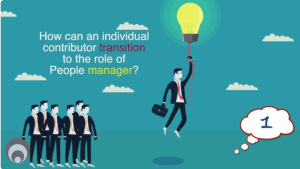
Moving into a leadership role often feels like a big win. You’ve proven yourself through hard work and results. But soon, you realize the game has changed. No longer is success about how fast you can finish tasks — it’s about designing a system where tasks get done efficiently without you micromanaging. This is the “Architect Shift,” a key change in mindset from doing to designing.
As an individual contributor, your days are filled with action. You tackle problems head-on, using your expertise to drive outcomes. This approach works well when you’re solo or in a small role. However, in leadership, clinging to this style limits growth. The Architect Shift asks you to step back and focus on the environment. Think of it like this: instead of building the house yourself, you draw the blueprint and clear the path so others can build it better and faster.
Redefining work is at the heart of this shift. A productive day for a doer might mean checking off ten items on a list. For an architect, it’s about making those ten items easier for the team in the future. This means prioritizing systems, protocols and culture over immediate fixes. When a mistake happens, don’t just correct it — ask what process flaw allowed it. By fixing the root cause, you create resilience. The team can handle issues independently, even if someone leaves.
This shift requires courage. It’s uncomfortable to let go of hands-on work, especially if it’s what made you successful. You might worry about quality dropping or losing control. But true power comes from empowerment. When you design the right setup, the team moves with confidence and speed. Your role becomes strategic — spotting trends, aligning goals and removing barriers.
Consider the difference in focus. Doers ask, “How can I solve this now?” Architects ask, “How can we prevent this from needing my help next time?” This proactive stance builds a self-sustaining organization. It reduces your workload and prevents burnout, as you’re not the only one carrying the load.
Embracing the Architect Shift also means accepting novice status in new areas. Leadership skills like observation and pattern recognition differ from technical ones. You learn to resist jumping in, instead observing how the team operates. This allows you to identify friction points — areas where work slows down due to poor processes.
The payoff is a more dynamic team. With clear guidelines, members make decisions without constant check-ins. This fosters autonomy and innovation. You gain time for big-picture thinking, like planning for future challenges. The organization becomes adaptable, ready for change.
To make this shift, start small. Review your tasks and categorize them by impact. Keep those that leverage your unique strengths, but offload others. This creates mental space for architecture. Over time, you’ll see the team flourish, proving the value of this approach.
In essence, the Architect Shift transforms you from engine to engineer. You’re no longer driving every part; you’re designing a machine that runs smoothly. This leads to lasting success and a healthier work life.
Expanding on this, think about daily habits. Instead of filling your calendar with execution, block time for planning. Discuss team processes in meetings, encouraging input. This collaborative design strengthens the foundation.
Redefining productivity this way prevents common pitfalls. Leaders who stay as doers often face overload and high turnover. By shifting, you build loyalty and efficiency. It’s a win for everyone.
The Architect Shift isn’t just a career move — it’s a philosophy. It applies beyond work, to how you manage life. By focusing on design over doing, you create balance and impact.
To talk about any aspect of success or working with a Life Coach to help you to achieve success, you can book a 30-minute call by clicking on the blue button below.

Don’t try to do all of this by yourself, ask and receive the guidance that can get you moving towards your own success.
Working together can help you overcome personal and professional barriers, ensuring you reach your highest potential.
Nothing happens until action is taken.
To your success.
Michael

P.S Don’t forget to visit Confidology to learn more about the full program being offered to build up your confidence in aspects of your life.
P.P.S. If you enjoy reading these articles on my blog, I have more books that have more of this type of information that you can find out more about at Books to Read. You can buy these ebooks at many on-line book stores. The links to the bookstores are at the link above.
P.P.P.S. I have a series of 4 articles on the “Fear of Success” that I have posted. You can also request a free PDF of all 4-articles by sending me an email message at coachmgw@outlook.com