The information in this article is an overview of a chapter in the book “Understanding Confidence – Personal and Professional Growth”. The book contains exercises, templates and action items to help put these ideas into practice.
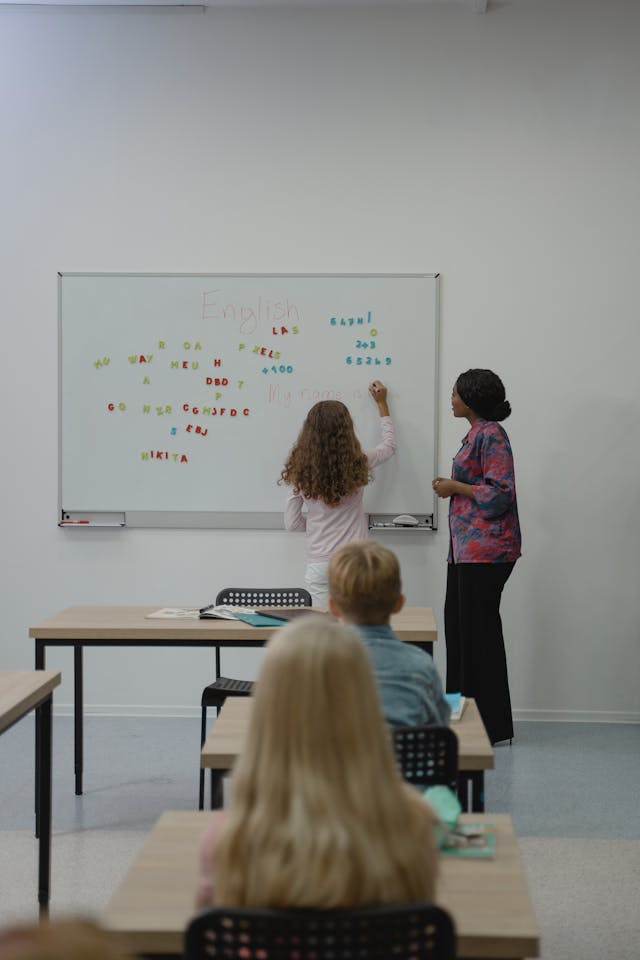
Educational environments play a key role in shaping how young people view their own abilities. From daily classroom interactions to the way lessons are structured, schools can either strengthen a student’s sense of self-worth or leave them feeling unsure. When classrooms feel safe and supportive, students learn to trust their ideas and take healthy risks. This foundation often carries into adulthood, affecting everything from career choices to personal relationships.
Classroom dynamics set the tone for confidence growth. In settings where students work together and share ideas freely, everyone feels valued. Group discussions give shy learners a chance to speak up without worry of harsh judgment. When peers and teachers respond positively, the experience builds a quiet belief in one’s own voice. Cooperative activities, such as solving problems as a team, create a sense of belonging. Each small contribution matters, showing students they have something worthwhile to offer.
Highly competitive classrooms can have the opposite effect. Constant ranking and comparison make some students pull back, especially if they struggle in one area. A student who finds reading difficult may stop raising their hand if others always seem ahead. Teachers help balance this by adjusting tasks to match different skill levels. A simpler assignment paired with kind, specific feedback lets the student experience success step by step. Over time, these small wins add up and rebuild belief in their capabilities.
Teachers hold special power in this process. A few encouraging words focused on effort can change how a student sees themselves. Saying “I can tell you worked hard on that project” means more than “Great job” because it highlights what the student can control. This type of feedback encourages persistence. Even when results are not perfect, students learn that trying again leads to improvement. On the other hand, quick criticism or ignoring a question can make students doubt themselves and stay quiet in future lessons. Educators who balance honest guidance with support create classrooms where mistakes feel safe to explore.
Peer relationships inside school also shape confidence every day. Friendly group work lets students see their strengths through others’ eyes. When teammates say “That idea helped us finish,” the student feels capable and connected. Watching classmates succeed in a presentation can inspire someone else to try harder next time. Positive examples show that skills can grow with practice. Schools reduce negative effects by teaching respect and running programs where older students help younger ones. These mentoring moments give both sides a boost — one gains guidance, the other gains leadership experience.
Curriculum choices matter too. Lessons that ask students to think creatively and solve real problems help them trust their minds. When young people choose their own project topics or ways to present, they feel ownership over their learning. Rigid programs built only around tests can make some students feel limited, especially those who shine in hands-on work. Schools that mix written tests with experiments or group presentations let every learner show what they know best. This variety sends a clear message: different talents count, and everyone can succeed in their own way.
Together, these classroom elements create daily chances to practice confidence. Students who feel heard, supported and capable in school carry that belief forward. Parents and educators who notice these patterns can gently encourage participation and celebrate effort. Small changes in how classrooms operate can make a big difference in how young people see themselves long after the school bell rings.
To talk about any aspect of success or working with a Life Coach to help you to achieve success, you can book a 30-minute call by clicking on the blue button below.

Don’t try to do all of this by yourself, ask and receive the guidance that can get you moving towards your own success.
Working together can help you overcome personal and professional barriers, ensuring you reach your highest potential.
Nothing happens until action is taken.
To your success.
Michael

P.S Don’t forget to visit Confidology to learn more about the full program being offered to build up your confidence in aspects of your life.
P.P.S. I have posted a series of 5 articles “Unleashing Your Inner Strength: A Guide to Lifelong Confidence” that you should read if your confidence level seems to always fluctuate.
P.P.P.S. I have a series of 4 articles on the “Fear of Success” that I have posted. You can also request a free PDF of all 4-articles by sending me an email message at coachmgw@outlook.com
P.P.P.P.S. If you enjoy reading these articles on my blog, I have more books that have more of this type of information that you can find out more about at Books to Read. You can buy these ebooks at many on-line book stores. The links to the bookstores are at the link above.
Additional Note: Happy Read an Ebook Week is coming. To help you find a book to celebrate, you can find my entire collection at a promotional price at @Smashwords from March 1 – March 7. Find my books and many more at https://www.smashwords.com/sale. My books are at https://www.smashwords.com/profile/view/Michael_W
Photo by Tima Miroshnichenko: