
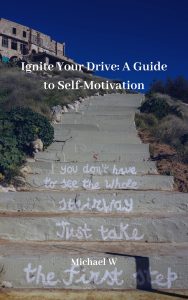
The information in this article is an overview of a chapter in the book “Ignite Your Drive: A Guide to Self-Motivation”.
Keeping motivation alive over many months or years can feel like a tough challenge. It is not about quick wins or sudden bursts of energy, but about creating a steady approach that helps you push through ups and downs. This kind of long-term drive comes from seeing your goals as part of a bigger journey, one that requires patience and smart planning. When you commit to this path, you start to build habits that make motivation feel natural, even when things get hard. Understanding how to pace yourself and adjust to changes in life is key to making sure your energy does not run out too soon.
Think of motivation as a long race where the finish line is far away. In a sprint, you might go all out right away, but that often leads to fatigue. Instead, adopting a mindset focused on endurance means you value consistent steps over fast ones. This way of thinking helps you handle times when enthusiasm dips, knowing they are just temporary. People who succeed in long pursuits often remind themselves that progress builds slowly. For example, someone working toward a big career goal might face slow periods, but by keeping the end in sight, they stay on track. This perspective turns potential frustration into a chance to grow stronger.
One important part of this endurance mindset is learning to pace your efforts. Pushing too hard without breaks can lead to feeling worn out, where even simple tasks seem overwhelming. To avoid this, it helps to balance hard work with time to recharge. Setting limits on how much you do each day or week keeps your energy levels stable. For instance, if you are tackling a demanding project, planning short pauses can prevent you from hitting a wall. This approach not only preserves your drive but also makes the process more enjoyable. Over time, you notice that steady effort leads to better results without the risk of complete exhaustion.
Life does not stay the same, and changes like new jobs or family shifts can throw off your rhythm. These transitions might make old goals feel out of reach, but adapting to them is what keeps motivation flowing. Flexibility means being open to tweaking your plans while holding on to what matters most. When circumstances change, reassess what you want and make adjustments that fit your new reality. This keeps you moving forward instead of getting stuck. For example, if a sudden move disrupts your routine, finding ways to incorporate your goals into the new setting can renew your sense of purpose. Embracing these shifts as normal parts of life turns them into opportunities rather than obstacles.
Building this adaptability starts with recognizing that no plan is set in stone. Goals should evolve as you do, allowing room for unexpected events. Rigid expectations can lead to disappointment, but a more fluid approach encourages persistence. Regularly checking in on your objectives ensures they still align with your current situation. This practice helps maintain a positive outlook, as you see progress even amid changes. In the end, this flexibility strengthens your resolve, making it easier to stay committed over the long term.
Combining pacing with adaptability creates a solid foundation for enduring motivation. When you treat your journey like a marathon, you prepare for the distance ahead. This involves not just physical rest but also mental breaks to reflect and adjust. Over weeks and months, these habits compound, turning sporadic effort into a reliable drive. You begin to see challenges as part of the process, not reasons to quit. This shift in thinking empowers you to handle whatever comes your way, keeping your goals within reach.
As you practice these strategies, motivation becomes less about forcing yourself and more about flowing with life’s rhythm. Small adjustments, like scheduling downtime or revising plans, add up to big differences. They help you avoid common pitfalls, such as losing steam halfway through a pursuit. Instead, you build resilience that carries you through tough phases. This approach is especially useful in areas like career growth or personal development, where results take time to show.
Remember, long-term motivation thrives on consistency and kindness to yourself. When you pace wisely and adapt readily, you create space for sustained effort. This not only helps you achieve more but also makes the journey fulfilling. By focusing on endurance, you transform fleeting enthusiasm into a lasting force that propels you forward.
In summary, embracing a marathon mindset means committing to steady progress amid life’s changes. Pacing prevents burnout, while adaptability ensures your drive evolves. Together, these elements form a powerful strategy for keeping motivation alive over the long haul. With practice, you will find that what once seemed daunting becomes a natural part of your routine, leading to greater success and satisfaction.
To talk about any aspect of success or working with a Life Coach to help you to achieve success, you can book a 30-minute call by clicking on the blue button below.

Don’t try to do all of this by yourself, ask and receive the guidance that can get you moving towards your own success.
Working together can help you overcome personal and professional barriers, ensuring you reach your highest potential.
Nothing happens until action is taken.
To your success.
Michael

P.S Don’t forget to visit Confidology to learn more about the full program being offered to build up your confidence in aspects of your life.
P.P.S. I have posted a series of 5 articles “Unleashing Your Inner Strength: A Guide to Lifelong Confidence” that you should read if your confidence level seems to always fluctuate.
P.P.P.S. I have a series of 4 articles on the “Fear of Success” that I have posted. You can also request a free PDF of all 4-articles by sending me an email message at coachmgw@outlook.com
P.P.P.P.S. If you enjoy reading these articles on my blog, I have more books that have more of this type of information that you can find out more about at Books to Read. You can buy these ebooks at many on-line book stores. The links to the bookstores are at the link above.
Photo by Polina: