The information in this article is an overview of a chapter in the book “Understanding Confidence – Personal and Professional Growth”. The book contains exercises, templates and action items to help put these ideas into practice.
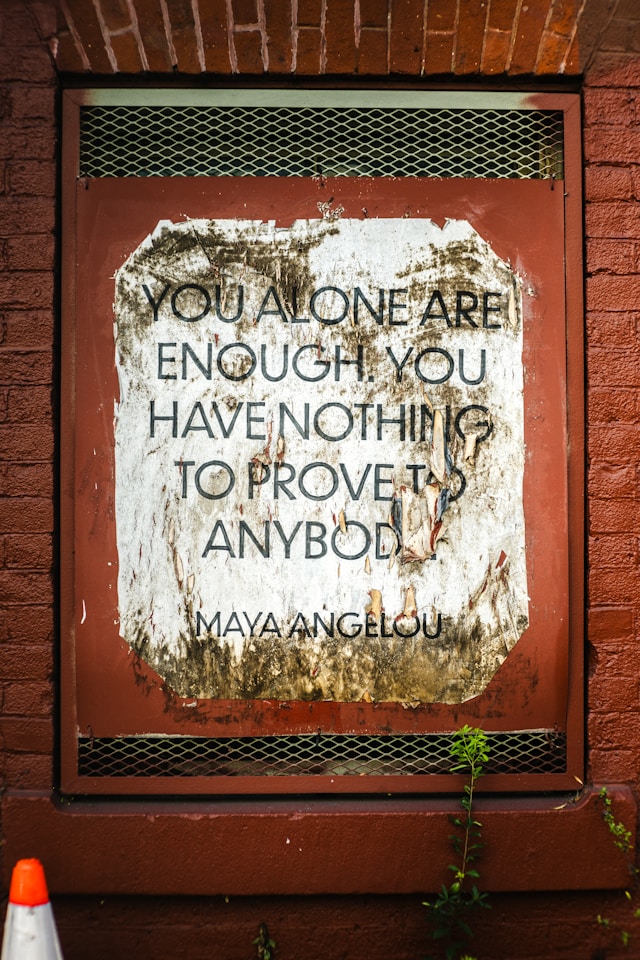
Self-worth forms the core of how people see themselves and handle life’s ups and downs. It refers to the value individuals place on themselves, separate from what others think or what they achieve. Unlike self-esteem, which can rise and fall based on specific successes or feedback, self-worth stays steady when rooted in inner qualities like kindness or strength. When people recognize their inherent value, they approach challenges with greater ease and maintain a positive outlook even during tough times. This belief in personal value helps create a foundation for confidence that does not rely on outside approval.
One key aspect involves accepting both strengths and flaws. Everyone has unique abilities, such as being good at listening or staying calm under pressure, that add to their worth. Reflecting on these qualities can reinforce a sense of value. At the same time, accepting imperfections prevents harsh self-judgment. No one is perfect, and seeing flaws as normal parts of being human allows for growth without constant criticism. For instance, someone who finds public speaking difficult might view it as an area to improve rather than a reason to feel lesser. This balanced view supports a healthier self-image and encourages steady progress.
Imposter syndrome often stands in the way of solid self-worth. This feeling makes people doubt their skills despite clear signs of success, leading them to feel like frauds. It usually comes from comparing oneself to others or remembering past negative comments. To address it, shifting focus to real accomplishments can help. Thinking about specific times when efforts paid off, like finishing a tough task or receiving positive remarks, counters these doubts. Being part of groups where others share similar experiences also reduces the sense of isolation and builds a more accurate self-view.
Cultural backgrounds play a big role in shaping self-worth. In societies that emphasize individual success, people might link their value to personal wins, like good grades or job promotions. In contrast, cultures that focus on group harmony might tie worth to helping others, such as contributing to family or community goals. These differences affect how individuals express and feel their value. Strict cultural rules can sometimes limit personal expression, making it harder to feel worthy if one does not fit the expected mould. Finding ways to align personal values with cultural expectations, such as through activities that allow creativity, helps maintain a strong sense of worth across various settings.
Gender expectations add another layer to self-worth. Society often pushes certain ideas, like women needing to meet beauty standards or men having to appear tough and unemotional. These pressures can lead to feelings of not measuring up, especially during teen years when identity is forming. Challenging these ideas through positive examples, such as seeing diverse people succeed in different roles, helps break the cycle. When individuals value their own traits over societal norms, they build a more authentic sense of worth that supports confidence in everyday life.
Negative self-views can linger from early experiences, like hearing criticism or facing rejection. These moments might make someone hesitate to try new things later on. Reframing these old narratives by focusing on evidence of ability helps shift the mindset. For example, recalling times of success, even small ones, can replace doubt with a more positive outlook. Surrounding oneself with encouraging people also plays a part in rebuilding a stronger self-image.
Social pressures, including comparisons to friends or ideals shown in media, can wear down self-worth. Measuring up against others often leads to feeling inadequate, even when personal strengths are clear in other areas. To handle this, emphasizing one’s own progress rather than others’ achievements makes a difference. Choosing social groups that celebrate different contributions provides support and reduces harmful comparisons. Limiting time with negative influences, like overly perfect online profiles, protects a balanced view of oneself.
Emotional intelligence strengthens self-worth by helping people understand and manage feelings. Being aware of emotions without harsh judgment allows for better responses to stress. For example, recognizing nervousness and using simple techniques to calm down keeps emotions from overwhelming self-view. This skill leads to greater resilience, making it easier to bounce back from setbacks and maintain a positive sense of value.
Self-care routines further support self-worth. Taking time for physical health, like regular movement or balanced eating, improves overall well-being and reinforces a positive self-image. Mental practices, such as reflecting on good qualities, help process difficulties and focus on inner value. These habits create a loop where caring for oneself boosts confidence, which in turn solidifies self-worth.
Keeping self-worth strong over the long term involves regular check-ins and supportive surroundings. Reviewing personal growth periodically highlights strengths and areas of improvement without judgment. Networks of mentors or peers offer ongoing encouragement, embedding a sense of value as a lasting part of life. This approach ensures self-worth remains a reliable base for facing whatever comes next.
To talk about any aspect of success or working with a Life Coach to help you to achieve success, you can book a 30-minute call by clicking on the blue button below.

Don’t try to do all of this by yourself, ask and receive the guidance that can get you moving towards your own success.
Working together can help you overcome personal and professional barriers, ensuring you reach your highest potential.
Nothing happens until action is taken.
To your success.
Michael

P.S Don’t forget to visit Confidology to learn more about the full program being offered to build up your confidence in aspects of your life.
P.P.S. I have posted a series of 5 articles “Unleashing Your Inner Strength: A Guide to Lifelong Confidence” that you should read if your confidence level seems to always fluctuate.
P.P.P.S. I have a series of 4 articles on the “Fear of Success” that I have posted. You can also request a free PDF of all 4-articles by sending me an email message at coachmgw@outlook.com
P.P.P.P.S. If you enjoy reading these articles on my blog, I have more books that have more of this type of information that you can find out more about at Books to Read. You can buy these ebooks at many on-line book stores. The links to the bookstores are at the link above.
Additional Note: Happy Read an Ebook Week is here. To help you find a book to celebrate, you can find my entire collection at a promotional price at @Smashwords from March 1 – March 7. Find my books and many more at https://www.smashwords.com/sale. My books are at https://www.smashwords.com/profile/view/Michael_W
Photo by Jason Leung on Unsplash